


App Store vs Paid Social: Which Channel Wins at Each Growth Stage
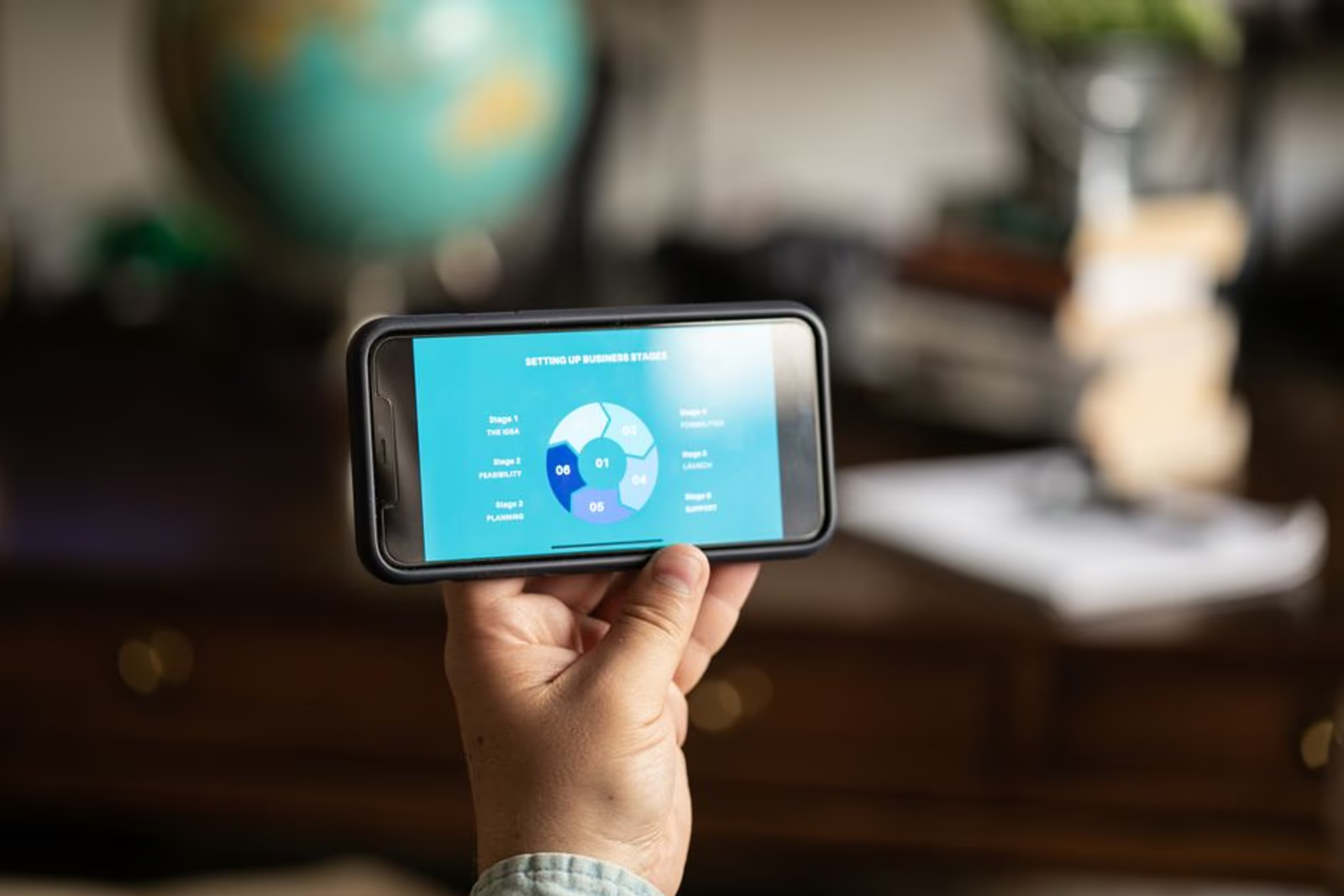
Most founders pick a channel based on what they're comfortable with, not what their current stage actually demands. That's how you end up burning paid social budget before your store listing converts, or sitting on a polished ASO setup while nobody knows the app exists. The right app marketing strategy isn't about choosing ASO or paid social—it's about knowing which one leads at each phase of growth.
Here's an honest stage-by-stage breakdown.
Why the Channel Debate Misses the Point
App Store Optimization and paid social aren't competing strategies—they're complements that take turns being the priority. ASO builds a floor: organic, compounding, lower cost-per-install over time. Paid social is a dial: turn it up when you need volume, pull it back when CAC climbs too high.
The tension between them is real, though. ASO takes months to compound. Paid social delivers installs this week. Early-stage teams almost always prioritize the thing that shows results fast, so they pour money into Meta or TikTok ads before the App Store listing is remotely optimized. The result: paid traffic hits a store page that converts poorly, and every dollar spent is partially wasted.
The fix isn't to avoid paid social early. It's to sequence the work correctly.
Stage 1 — Pre-Launch and Zero Reviews (Weeks 0–8)
At this stage you have no ratings, no keyword history, and no install velocity. The App Store algorithm has almost nothing to work with. This is the worst possible time to expect organic App Store traffic to do heavy lifting.
What actually works here: paid social for controlled traffic plus aggressive ASO groundwork so that traffic converts.
Your App Store listing—title, subtitle, keyword field, screenshots, preview video—should be finished before your first paid dollar goes out. If your conversion rate from product page view to install is low, paid campaigns will drain your budget educating the algorithm with bad signals.
Budget split benchmark for Stage 1:
| Channel | Recommended Budget Allocation | Primary Goal |
|---|---|---|
| ASO setup (one-time) | 20–25% of initial budget | Listing conversion rate |
| Paid social (Meta / TikTok) | 60–70% | First installs, early reviews |
| Apple Search Ads (basic) | 10–15% | Brand + exact match only |
| Organic / content | Minimal | Seed keyword signals |
Apple Search Ads on brand terms is worth a small spend even at launch—it protects your name and captures any existing demand. Don't run broad campaigns yet. You don't have enough conversion data to bid intelligently.
Stage 2 — Early Traction (Months 2–5)
You have somewhere between 50 and 500 reviews. Install velocity is real. The App Store algorithm is starting to associate your app with a handful of keywords. This is when ASO starts earning its keep, and it's also when paid social should shift from "get any installs" to "get the right installs."
The most important move at this stage: keyword expansion on ASO. Your initial keyword field was a hypothesis. Now you have actual search impression data in App Store Connect. Cut the terms that generate impressions but no installs. Double down on the ones converting.
At the same time, your paid social creative testing should be in full swing. A single ad set running one creative is not a strategy. If you haven't built a systematic creative testing process yet, the post on building a 12-week creative testing pipeline for app install ads is worth reading before you scale spend.
Budget split benchmark for Stage 2:
| Channel | Recommended Budget Allocation | Primary Goal |
|---|---|---|
| ASO (ongoing optimization) | 15–20% | Keyword rank climb |
| Paid social | 50–60% | Audience learning, creative testing |
| Apple Search Ads | 20–25% | Category + competitor keywords |
| Influencer / organic seeding | 5–10% | Social proof, review velocity |
One thing we see consistently in our engagements: teams underinvest in Apple Search Ads at this stage. It's not as flashy as Meta campaigns, but search intent on the App Store is already purchase-ready. Someone searching "fitness tracking app" is significantly closer to installing than someone who saw a TikTok ad while scrolling. ASO and Apple Search Ads reinforce each other—better organic rank means your Search Ads quality score improves too.
Semnexus runs ASO and paid user acquisition as one integrated program, not two separate workstreams. If you want a channel strategy built around your specific growth stage, see how our mobile app marketing team works.
Stage 3 — Scaling (Months 5–12)
Your category rank is visible. You're showing up for a meaningful keyword cluster organically. Paid social has enough conversion data to run lookalike audiences with reasonable confidence. This is the stage where ASO starts paying compounding dividends and where the temptation to over-rotate to paid becomes dangerous.
The mistake here is treating paid social as the primary growth engine and ASO as a maintenance task. Founders scale ad spend aggressively because the ROAS looks acceptable, but they stop iterating on the App Store listing. Then they hit a performance plateau—CPI climbs, ROAS drops—and the listing still has the screenshots from launch day.
At scale, ASO work that moves conversion rate by even a few percentage points has an outsized effect. Every dollar of paid traffic converts at a higher rate. The compounding is real.
Budget split benchmark for Stage 3:
| Channel | Recommended Budget Allocation | Primary Goal |
|---|---|---|
| ASO (ongoing) | 10–15% | Conversion rate optimization, localization |
| Paid social | 45–55% | Scaled acquisition, retargeting |
| Apple Search Ads | 20–25% | Broad + competitor conquest |
| Retention / CRM | 10–15% | Reduce churn, improve LTV |
Note that retention starts earning a budget line here. Acquiring users you immediately lose is an expensive treadmill. LTV improvements make every acquisition channel more sustainable. For a broader look at how these channels interact across a full user acquisition funnel, the 2026 mobile user acquisition strategy guide covers the mechanics in depth.
Stage 4 — Maturity and Category Defense (Month 12+)
At maturity, ASO becomes a defensive asset as much as an acquisition tool. Competitors are targeting your brand terms on Apple Search Ads. Your keyword positions are established, but rivals are iterating on listings that outflank yours. This is not the stage to coast.
Paid social at maturity shifts character. Broad acquisition campaigns are expensive because you've already captured the easiest segments of your target audience. The marginal cost of the next user is higher than it was six months ago. Smart teams redirect a portion of that paid budget toward retargeting lapsed users and toward creative formats—video, UGC—that keep CPIs from drifting upward.
Budget split benchmark for Stage 4:
| Channel | Recommended Budget Allocation | Primary Goal |
|---|---|---|
| ASO (competitive + localization) | 15–20% | Category defense, new markets |
| Paid social | 35–45% | Retargeting, new creative formats |
| Apple Search Ads | 20–25% | Brand defense, competitor keywords |
| Retention / lifecycle | 15–20% | LTV maximization |
Localization becomes a meaningful ASO lever at this stage. If your app has product-market fit in English-speaking markets, metadata localization for Spanish, Portuguese, French, or German can open entirely new organic traffic pools at a fraction of the cost of paid expansion into those markets.
The Budget Principle That Cuts Across All Stages
One rule applies regardless of where you are: never run paid traffic to an unconverted listing. Before you increase paid social or Apple Search Ads spend in any stage, check your App Store conversion rate (product page views to installs). If it's below approximately 25–30% for a typical consumer app, fixing the listing will outperform adding budget.
The sequence is always: listing first, traffic second.
FAQ
Should I run paid social before my App Store listing is optimized?
No. Paid traffic hitting a weak listing is partially wasted spend. Get your screenshots, preview video, title, subtitle, and keyword field in strong shape before scaling any paid channel. A few days of ASO work before launch pays back faster than any campaign optimization.
When does ASO start generating meaningful organic installs?
Typically somewhere between months 2 and 4, assuming consistent optimization and healthy install velocity. The algorithm needs signals—installs, ratings, retention—before it surfaces your app for competitive keywords. Brand-new apps on brand-new terms can rank faster; competitive categories take longer.
Is Apple Search Ads worth it for small budgets?
Yes, but scope it tightly. Brand and exact-match terms only, with a controlled daily cap. The intent quality on Apple Search Ads is high enough that even modest spend generates useful conversion data and protects your branded terms from competitors.
How do I know when to shift budget from paid social to ASO?
Watch your paid CPI trend. If CPI is climbing steadily and your ASO conversion rate hasn't been touched in 60+ days, that's the signal. Improving listing conversion rate reduces the effective CPI across all paid channels simultaneously.
What's the biggest mistake teams make with this channel split?
Treating ASO as a launch task rather than an ongoing program. The teams that see compounding organic growth are the ones iterating on their listing every 4–6 weeks—updating screenshots for seasonal relevance, testing new preview videos, expanding keyword metadata as their install velocity grows.
Does this framework apply to Android (Google Play) the same way?
The principles apply, but the specifics differ. Google Play's algorithm weighs engagement signals—session length, retention—more explicitly than Apple's. Google App Campaigns also behave differently from Apple Search Ads. The budget splits above are calibrated primarily for iOS; Android deserves its own allocation logic based on your category and audience.
Your app marketing strategy isn't a channel preference—it's a sequenced plan that changes as your app grows. Get the listing right before you pay for traffic. Use paid social aggressively when you need velocity. Let ASO compound into a durable organic asset. And revisit the allocation every quarter because what worked at Stage 2 will underperform at Stage 4.
If you want a team that runs ASO and paid user acquisition as one integrated program rather than two disconnected workstreams, Semnexus's mobile app marketing services cover both. Or if you'd rather talk through your specific stage and budget first, book a 30-minute call with Marco.


