


Pre-Seed App Startup Marketing: What to Do Before You Have a Budget
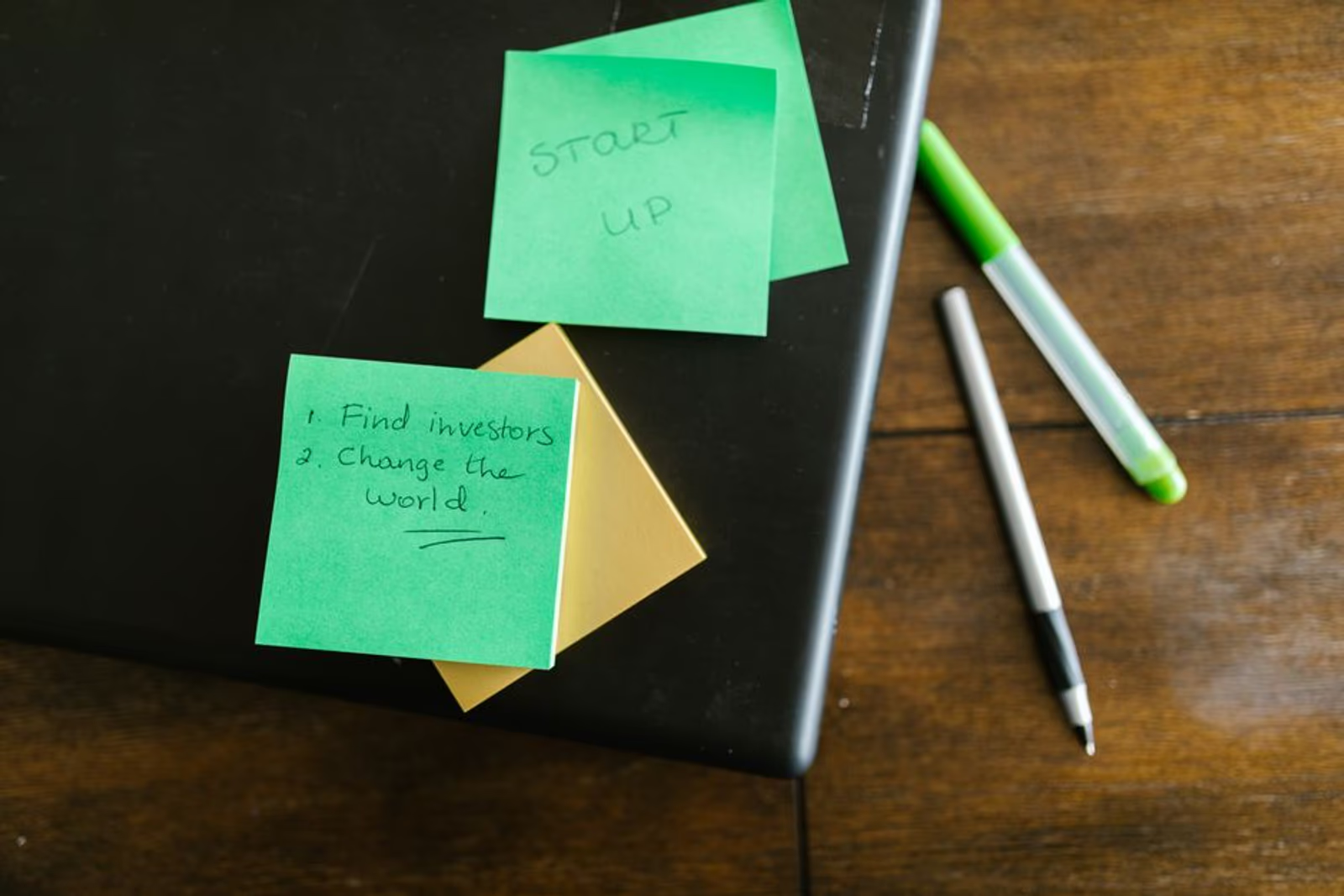
Most pre-seed founders ask the wrong question. They ask, "What's our marketing strategy?" when they should be asking, "What's the cheapest proof that someone wants this?"
Those are very different questions. The first one leads to logo redesigns and Instagram accounts nobody follows. The second one leads to waitlists, interviews, and early installs that tell you something real.
This post is a framework for the second question. It's what we walk founders through before we ever talk about paid budgets — and it applies whether you're six months from launch or already in the App Store with ten users.
Why Paid Marketing Isn't the Answer Yet
Paid user acquisition — Apple Search Ads, Meta, TikTok, Google App Campaigns — works when you have three things locked in: a clear ideal user, a hook that converts them, and unit economics you can defend. At pre-seed, you almost certainly don't have all three.
Running paid campaigns without those ingredients doesn't accelerate growth. It accelerates learning that you could have gotten for free. Worse, it burns cash you need for product and gives you noisy data that's hard to act on.
The work described below is about getting those three things locked in at near-zero cost. Once you have them, paid channels become multipliers instead of experiments.
Phase 1: Build the Minimum Credible Presence
Before you ask anyone to download your app, you need to pass a basic legitimacy check. People Google you. They look at your App Store listing. They check if you have a website. If any of those are missing or look abandoned, you're losing installs before the conversation even starts.
What "minimum credible" actually means:
- A one-page site or landing page with a clear value proposition and an email capture
- An App Store listing with a complete description, real screenshots, and at least one preview video — even a screen-recorded walkthrough
- A consistent name and handle across your primary platforms (even if you only actively use one)
This isn't about design polish. It's about not leaking trust. A half-finished App Store page with placeholder screenshots tells potential users you don't take your own product seriously.
If you're not sure how to think about the brand layer here, the post on 5 Must-Haves in a Cohesive Startup Branding Guide covers the essentials without sending you down a $20k brand identity rabbit hole.
Phase 2: Work Your Network Harder Than Feels Comfortable
Your first 50–100 users should come from people you can actually reach. This feels obvious and founders always underestimate how far direct outreach can go.
The formula: write 30–50 targeted, personal messages to people in your target user segment. Not a mass blast — individual notes that reference something specific about the person and explain why your app is relevant to them. Ask for a 15-minute call, not an install. The call converts better and teaches you more.
From those calls, you'll get two things:
- Direct installs from people who want to help and happen to be your user
- Referrals — "You should talk to my colleague, she deals with this exact problem"
This phase is also when you build your founding-user list: people who give you honest feedback in exchange for early access, a credit, or just the satisfaction of shaping something. These users are worth more than any paid install. They stick around, they refer, and they tell you what's broken.
Phase 3: Content and Community as a Distribution Channel
You don't need a content strategy. You need one channel where your target users already spend time, and you need to show up there consistently with something useful.
Pick based on your user segment:
| User Type | Where They Live | What Works |
|---|---|---|
| Professionals / B2B | Short posts, frameworks, takes on industry problems | |
| Developers / technical | Twitter/X, Hacker News | Build-in-public threads, technical breakdowns |
| Consumers / lifestyle | TikTok, Instagram Reels | Short demo videos, problem-solution clips |
| Niche communities | Reddit, Discord, Slack groups | Genuine participation, not promo drops |
| Healthcare / enterprise | LinkedIn + email newsletters | Long-form thought leadership, case examples |
"Consistent" means posting 3–5 times per week for at least 8–12 weeks before you evaluate whether it's working. Most founders quit at week 3. That's when the audience is just starting to recognize your name.
One important rule: don't post about your app. Post about the problem your app solves. "Here's how last-mile delivery for furniture actually works" performs better than "Check out our delivery app." The app becomes the logical next step.
Phase 4: ASO as a Free Acquisition Channel
App Store Optimization is often treated as a launch-week task. It should be a pre-launch, ongoing discipline — because the App Store is a search engine, and organic search is free.
The basics that most pre-seed apps skip:
- Keyword research before you write your title and subtitle. Your app name is your most weighted keyword field. If you haven't checked what people actually search for in your category, you're leaving ranking potential on the table.
- Screenshots that explain, not just show. The top three screenshots in your listing are what most users see before deciding to scroll or bounce. Each one should communicate a specific benefit, not just a UI shot.
- Reviews from day one. Even five honest reviews matter more than zero. Ask your founding users. Set up an in-app prompt at the right moment — after a completed action, not on open.
ASO compounds over time. An app with strong keyword coverage and a 4.6+ rating accumulates organic installs week after week without additional spend. Pre-seed is when you lay that foundation.
For more on how to structure this before you have an audience, our guide on conducting market research for your mobile app covers how to identify the keywords and user language that should inform your entire listing.
Ready to build a marketing foundation that works before you have a budget? Our mobile app marketing team helps early-stage founders set up ASO, organic acquisition, and launch strategy from day one.
Phase 5: Validate Demand, Then Double Down
By the time you've done the above, you have real signal: which messages resonate, which users stick, which channels send people who actually open the app twice. Now you can make smarter decisions.
Specifically, look at three things:
Activation rate. Of the users who install, what percentage complete the core action the app was built around? If it's below approximately 40%, there's a friction problem before you add more users.
Retention at day 7 and day 30. If people don't come back after a week, paid acquisition will fill a leaky bucket. Fix the product first.
Referral rate. Are any of your users telling other people? Even one or two organic referrals in your first 100 users is a meaningful signal that you have something worth scaling.
When activation and early retention are solid, then the conversation about paid channels, influencer campaigns, and larger ASO investments starts to make sense.
The Pre-Seed Marketing Checklist
Use this to sequence your effort, not as a checklist to complete all at once:
| Priority | Action | Cost | Timeline |
|---|---|---|---|
| 1 | Build a landing page with email capture | $0–$50/mo | Week 1 |
| 2 | Complete your App Store listing (real screenshots, description, keywords) | $0 | Week 1–2 |
| 3 | Identify your one primary distribution channel | $0 | Week 1 |
| 4 | Run 30–50 personal outreach messages | $0 | Week 2–4 |
| 5 | Start posting 3–5x/week on your primary channel | $0 | Week 2 onward |
| 6 | Set up in-app review prompts | $0 | At launch |
| 7 | Track activation, D7 retention, referral rate | $0 (GA4 + App Store Connect) | Ongoing |
| 8 | Evaluate paid channels once retention is stable | Budget-dependent | Month 3+ |
FAQ
Do I need a marketing agency before I launch?
Not necessarily. Most pre-seed teams are better served spending their limited budget on product and saving agency spend for when they have a validated channel to scale. That said, working with someone early on App Store Optimization and positioning can prevent expensive rework at launch.
How many users do I need before paid marketing makes sense?
There's no universal number, but in our engagements, founders who start paid acquisition before reaching approximately 100 active retained users typically generate data that's too noisy to act on. Get to a stable activation rate and some D7 retention signal first.
What's the fastest way to get the first 50 installs?
Personal outreach, every time. Email or LinkedIn messages to people you know or can plausibly cold-reach in your target segment. A personal ask converts at a meaningfully higher rate than any organic post or paid ad at this stage.
Can I build an audience before the app is live?
Yes — and you should. A waitlist, a weekly problem-focused newsletter, or a build-in-public Twitter/X thread can generate hundreds of warm contacts before launch day. Those people convert at a much higher rate than cold traffic from ads.
What's the biggest mistake pre-seed founders make in marketing?
Optimizing for vanity metrics — followers, impressions, page views — instead of for installs and activation. Early marketing should be judged by whether it produces users who actually use the product.
Is ASO worth the effort this early?
Yes, because it compounds. The keyword coverage you establish at launch continues to drive organic installs for months without additional spend. Founders who skip it at launch often spend significantly more on paid UA later to compensate for installs they could have gotten for free.
If you're at the pre-seed stage and want a clear plan — not a generic growth playbook, but a sequenced approach built around your specific app and user segment — book a 30-minute call or reach out to the mobile app marketing team at Semnexus. We'll tell you honestly where to start and what to skip.


